
From pick-your-own farms to farmers markets and value-added foods, Vermont’s blueberry crop offers newcomers another taste of the state’s diverse agricultural economy.
When people think about Vermont agriculture, maple syrup and dairy farms may immediately come to mind. But during the heart of summer, another crop becomes a familiar sight at farm stands, farmers markets and pick-your-own operations across the Green Mountain State: Vermont-grown blueberries.
Blueberries represent a relatively small piece of Vermont’s overall agricultural output, but their footprint is significant within the state’s diversified farm economy. For families considering a move to Vermont, the crop also provides a good example of how small farms, direct-to-consumer agriculture and seasonal agritourism remain closely connected to everyday life in the state.

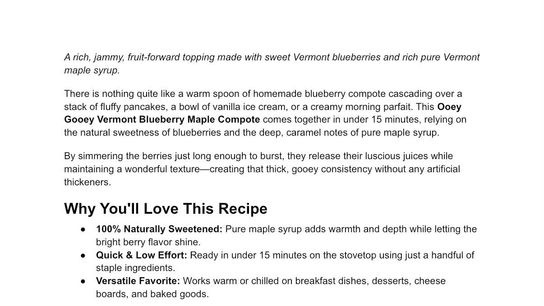
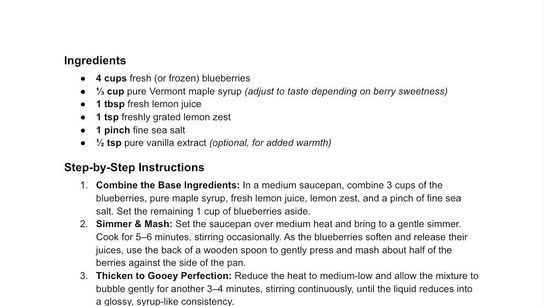
Ellieanna E. | Chef/ Creator on Instagram
More Than 400 Acres of Vermont Blueberries
The most comprehensive recent statewide figures come from the USDA’s 2022 Census of Agriculture.
According to the USDA National Agricultural Statistics Service, 294 Vermont farms reported growing blueberries on approximately 413 acres in 2022. Of those, 286 farms grew cultivated, or “tame,” blueberries on about 404 acres, while eight farms reported wild blueberries covering roughly 10 acres.
Approximately 381 acres of Vermont blueberries were of bearing age, meaning the plants were mature enough to produce fruit, while another 32 acres had not yet reached bearing age.
That represents notable growth in blueberry acreage. In 2017, Vermont had approximately 326 acres devoted to blueberries, according to the same USDA census data. By 2022, that had increased to about 413 acres—an increase of roughly 27% in five years.
Unlike Maine, where commercial wild-blueberry production is large enough for USDA to publish annual production figures in the tens of millions of pounds, Vermont’s blueberry sector is smaller and more decentralized. USDA’s current Vermont annual agricultural overview does not publish a statewide blueberry production estimate in pounds, so claims about a specific current annual poundage should be treated cautiously.
Blueberries Are Part of Vermont’s Diversified Farm Economy
Blueberries sit within a broader fruit-and-berry industry that contributes to Vermont’s agricultural economy.
USDA data show how that sector has developed over time. In the 2017 Census of Agriculture, 614 Vermont farms reported $19.4 million in sales of fruits, tree nuts and berries, accounting for approximately 2.5% of the state’s total agricultural sales that year.
Blueberries are especially compatible with the diversified business model used by many Vermont farms.
Rather than relying solely on wholesale commodity markets, farms can sell berries directly to consumers through farm stands, farmers markets, community-supported agriculture programs and pick-your-own operations. Blueberries can also become ingredients in jams, preserves, baked goods, sauces and other value-added products.
That means the economic impact of a blueberry field can extend beyond the value of the berries themselves.
Pick-Your-Own Blueberries Turn Agriculture Into an Experience
One of the most visible economic benefits comes from agritourism.
During Vermont’s summer blueberry season, pick-your-own farms give residents and visitors an opportunity to harvest berries directly from the bushes. A trip to pick blueberries can easily become part of a larger day that includes visiting a farm stand, eating at a local restaurant, shopping in a nearby downtown or exploring another Vermont attraction.
For farmers, direct sales can provide another revenue stream while allowing customers to develop a personal connection with the farm producing their food.
For newcomers, these operations offer something equally valuable: an introduction to Vermont’s local-food culture. Buying berries from the farm where they were grown—or spending an afternoon picking them yourself—is a much different experience from simply purchasing a container shipped hundreds or thousands of miles to a supermarket.